The First 60 Minutes Are Everything in Orlando

What to Do After Water Damage in Orlando, FL — Step by Step

In Orlando's 74–77% humidity, the decisions you make in the first hour determine whether you spend $1,200 or $6,000. This is exactly what to do — and what not to do — from an IICRC-certified Orlando restoration team.

📞 Call Now — (407) 250-7641
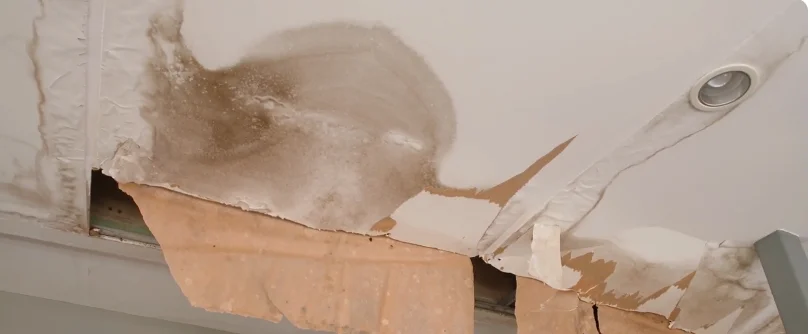
water damage orlando what to do after water damage in home overview
Do This — Right Now

The First 10 Minutes: What to Do After Water Damage in Orlando

1

Stop the water source

Know where your main shutoff valve is before this happens — it's at the water meter (usually near the street) or on the side of your house. Turn it clockwise until it stops. Every gallon that keeps flowing is more damage.

2

Kill power to wet areas

Go to your breaker panel. If any circuits serve flooded rooms, switch them off. Water and electricity are lethal. Don't enter standing water in an area that may still be electrified.

3

Photograph everything — before moving anything

Your phone is your most important tool right now. Photograph every affected room from multiple angles. Photograph the water source. Photograph all standing water. Don't move furniture or remove rugs yet — your adjuster needs to see original conditions.

4

Call DryGuard — (407) 250-7641

In Orlando's humidity, every hour of delay multiplies the damage. We dispatch immediately, arrive with moisture meters and extraction equipment, and create the documentation your insurance claim requires. Live person answers 24/7.

5

Move valuables above water line

After photos are taken: move electronics, documents, irreplaceable items to dry ground. Place aluminum foil under furniture legs in wet areas to prevent rust stains on carpet.

6

Call your insurance company

File a notice of claim — you have 1 year under FL Stat. §627.70132 but don't wait. Call immediately after the restoration contractor. Under §627.70131, they must acknowledge within 14 days and pay or deny within 60 days.

Critical Mistakes to Avoid

What NOT to Do After Water Damage in Orlando

These mistakes are common, understandable — and they compound damage significantly in Florida's humidity.

Do NOT open windows or run box fans. In Orlando's 74–77% humidity, outside air contains more moisture than your indoor air. Opening windows during drying introduces moisture — the opposite of what you need. Industrial dehumidifiers work against this; box fans do not.
Do NOT use a shop vac and call it done. Consumer wet-vacs extract surface water only. Water inside drywall, subfloor, and wall cavities requires industrial extractors and drying equipment running for 3–5 days.
Do NOT rip up flooring before professionals arrive. Undisturbed flooring holds moisture against subfloor — but it also preserves evidence of extent and source. Professionals map moisture through flooring using equipment that doesn't require removal first.
Do NOT wait until morning if it's overnight. Mold in Orlando begins within 24 hours. "I'll deal with it in the morning" turns a $1,500 extraction job into a $4,000 extraction-plus-mold job by 8 AM.
Do NOT sign an Assignment of Benefits (AOB) immediately. If a contractor arrives uninvited and asks you to sign an AOB before any assessment, decline. This transfers control of your insurance claim to them. Get a written scope first.
Do NOT walk through contaminated water. Gray or black water (sewage, floodwater) contains bacteria and pathogens. If you're unsure of the water source, treat all standing water as contaminated until a professional assesses it.
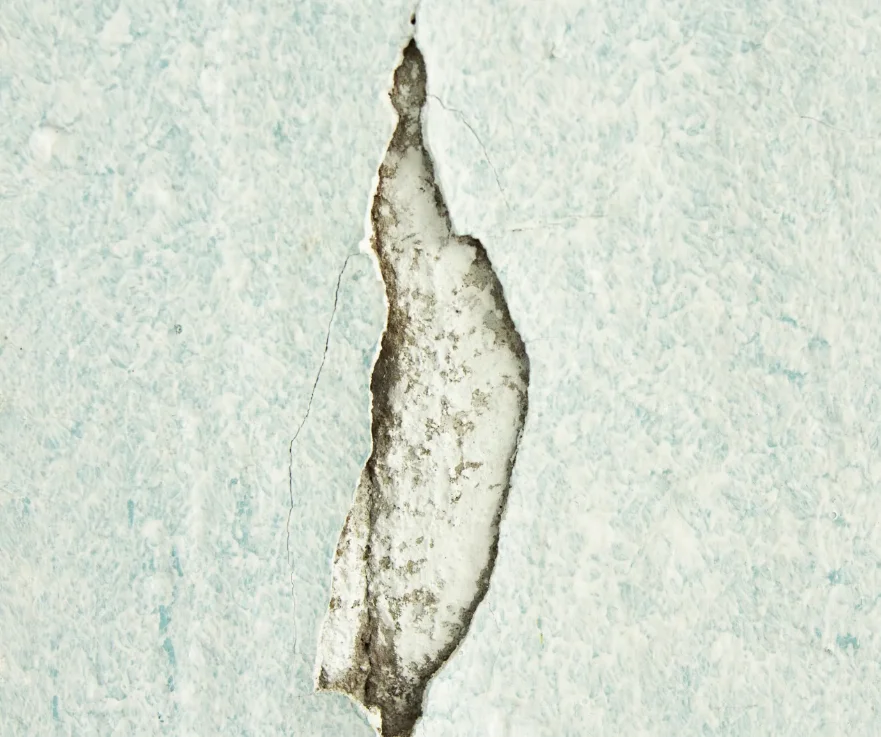
water restoration orlando property damage overview before restoration begins
Orlando-Specific Advice

Why Water Damage Response is Different in Orlando vs. Other Cities

National articles about "what to do after water damage" are written for average US conditions. Orlando is not average. Here's what changes when you're in Central Florida.

The 24-Hour Mold Window — Not 48

Most national resources say mold begins in 24–72 hours. In Orlando, 24 hours is the maximum, not the minimum. At 74–77% ambient RH with temperatures consistently above 70°F, mold colonization of wet drywall paper begins closer to 12–18 hours. When we arrive at a job that was left wet overnight, we almost always find early-stage mold spores already present.

Don't Open Windows — Ever

Standard advice in other climates: open windows to ventilate and help with drying. In Orlando, this is actively harmful. June through October, outside air is 78–82% RH. Opening windows in Orlando during drying is like spraying the wet walls with a humidifier. Keep the home sealed and let industrial dehumidifiers manage indoor humidity.

AC Systems Are Both Helper and Problem

Your AC helps dehumidify during drying — but don't rely on it as the primary drying tool. AC systems are sized for comfort cooling, not industrial drying. They also have their own drain pans and coils that can become contaminated during water events. Keep your AC running normally; let industrial LGR dehumidifiers do the heavy work.

FL Insurance Filing Deadlines Are Short

Under Florida Statute §627.70132, you have just 1 year to file an initial claim and 18 months for supplemental claims. In other states, this window can be 2–4 years. File quickly, even if you're not certain what's covered. You can withdraw; you cannot refile after the deadline.

How long do I have to report water damage to my insurance company in Florida?

Florida Statute §627.70132 requires initial claims to be filed within 1 year of the date of loss. Supplemental claims — for additional damage discovered after the initial filing — must be submitted within 18 months. These are shorter windows than most states. Do not delay; call your insurer immediately after calling a restoration contractor, even if you're unsure of coverage. The insurer must acknowledge within 14 days and pay or deny within 60 days (Stat. §627.70131).

Should I move my furniture before the restoration company arrives?

Move electronics, documents, and irreplaceable items to dry areas immediately — these are at highest risk from continued moisture exposure. Photograph everything first. Furniture that can be elevated (place aluminum foil or wooden blocks under legs) should be elevated to stop rust or dye from bleeding into wet carpet. However, do not remove rugs, flooring, or pull away baseboards — let the professionals do moisture mapping first. Premature disturbance of flooring can actually push moisture deeper into the subfloor rather than facilitating drying.

Dealing With Water Damage Right Now in Orlando?

Don't wait. Every minute in Orlando's humidity is working against you. Call now — live person answers 24/7, crews dispatch immediately, written estimate before work starts.

📞 (407) 250-7641
📞 (407) 250-7641 — Tap to Call 24/7