DryGuard Restoration — professional water damage crew Orlando FL

24/7 Emergency Response — All Orlando Neighborhoods

Water Damage Restoration
Orlando, FL
We’re Already Dispatching.

Water on your floor right now? IICRC-certified crews cover all of Orange County around the clock. Written estimate before any work begins. No surprise bills. No pressure to file a claim.

 IICRC Certified
 FL Mold Lic. #MRSR3847
 Written estimate first
 Insurance docs included
Orlando Avg. Relative Humidity — Year-Round
0% Mold threshold: 60% 74–77% avg ▲
Free Estimate
Crews available now
(407) 250-7641
Live person answers 24/7
Or request a callback:

No commitment. Written estimate before any work.

🏅 IICRC S500 Certified
📋 FL Mold Remediator License §468.8411
📝 Written Estimate Before Any Work Begins
🕐 24/7/365 — No Extra Charge
📸 Insurance Documentation from Hour One
⭐ 4.9★ · 147 Google Reviews
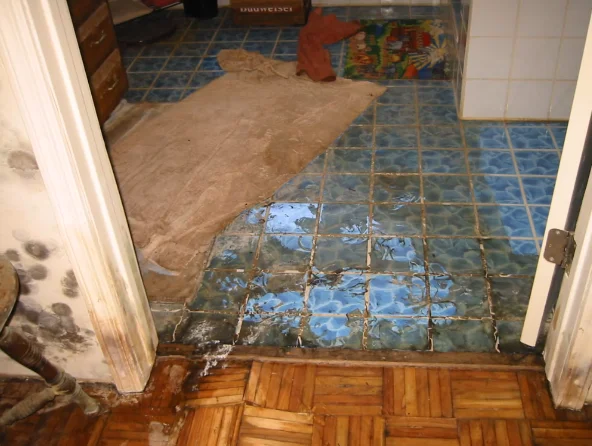
water damage orlando flooded floor showing standing water requiring emergency extraction
The Central Florida Factor

Why Water Damage Is More Dangerous in Orlando Than Almost Anywhere Else

Mold needs two things: moisture and humidity above 60%. In Phoenix, you might have days after a water event before mold becomes a serious problem. In Orlando, you have 24 hours. The city's subtropical climate maintains relative humidity between 74% and 77% year-round — which means every wet surface in your home is already sitting in a perfect mold-growing environment the moment water enters.

This is the most important fact homeowners moving from drier states fail to understand. The box fans and shop vacs that worked before are largely useless here. Natural drying at 75% ambient humidity simply doesn't happen fast enough. By the time a wet wall feels dry to the touch, it can still contain 25–30% moisture content inside the cavity — and mold has already started.

The Orlando rule: Water damage is a 24-hour emergency — not a 48-to-72-hour problem like it is in drier climates. Every hour of delay increases your total restoration cost and your family's mold exposure risk significantly.

Orlando also sits in Florida's hurricane corridor. Charley (2004), Ian (2022), and Milton (2024) all caused widespread water damage across Orange County. The city's karst limestone substrate causes slab foundations to shift over time, creating slow leaks that go undetected for months. And Central Florida's hard water accelerates pipe corrosion in homes built before 1975 — especially in College Park, Thornton Park, and Winter Park's historic stock.

Emergency Water Damage Orlando →
24hrs Before mold colonizes wet walls in Orlando's humidity
77% Average relative humidity in Orlando year-round
50% Cost reduction when restoration starts within the first hour
147 Five-star Google reviews from Orlando homeowners
2026 Orlando Pricing — Fully Transparent

What Water Damage Restoration Actually Costs in Orlando

The only local restoration company that publishes real pricing. Here's what to expect before you call anyone.

Full Pricing Guide →
Water Category Cost Per Sq Ft What It Means Common Orlando Sources
Cat 1 Clean Water $3–$4/sq ft No contamination. Potable source. Fastest drying. Burst supply lines, dishwasher overflow, fridge waterline
Cat 2 Gray Water $4–$7/sq ft Biological contamination. Can cause illness on contact. Toilet overflow (urine), washing machine, AC condensate — most common in Orlando
Cat 3 Black Water $7–$7.50/sq ft Grossly contaminated. Full biohazard protocol. All porous materials must be removed. Sewage backup, outdoor flooding, standing water left 48+ hours in Central Florida heat
Damage Scenario Typical Orlando Cost Notes
Minor appliance leak — caught within 30 min$860 – $1,500Clean water, limited area. Resolved in 2–3 days.
Burst pipe with drywall + flooring damage$2,000 – $5,000May require drywall removal to access wall cavity moisture.
AC condensate overflow — very common in FL$1,500 – $4,000Ceiling cavity damage. HVAC mold spread risk into other rooms.
Crawlspace flood (College Park / Thornton Park)$2,800 – $5,200Pier-and-beam adds $800–$2,200 for crawlspace extraction.
Storm flooding + mold involvement$5,000 – $20,000+Most FL policies cap mold at $10,000 (§627.714). Know before it happens.
Sewage backup — Cat 3 biohazard$7,000 – $25,000+Full biohazard protocol. All materials in contact must be replaced.

The most important number: Acting within the first hour reduces your total restoration cost by 30–50%. A mold remediation job that results from delayed response costs $12,000–$40,000. Professional drying started immediately costs $1,500–$3,000. The speed decision is always a financial decision.

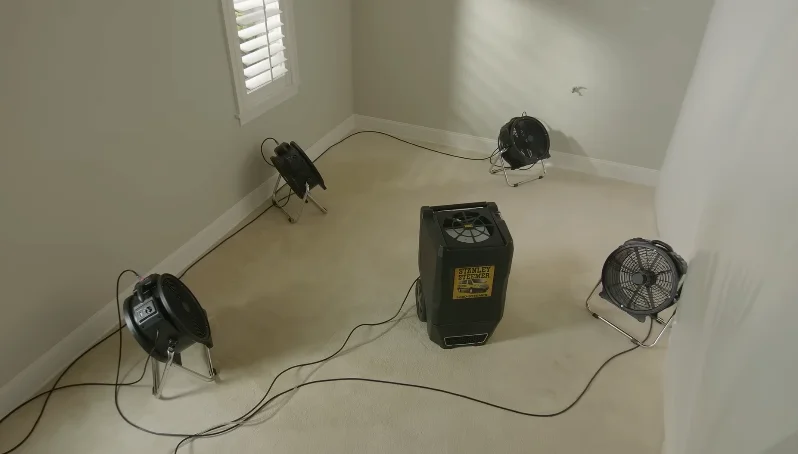
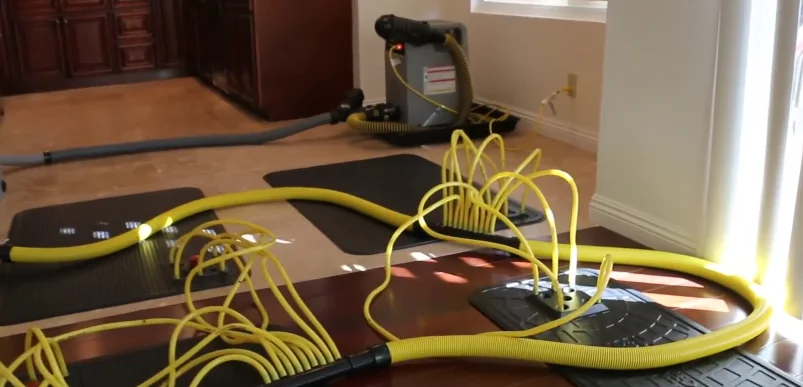
water extraction Orlando industrial floor drying equipment showing professional water mitigation process water mitigation Orlando air movers and dehumidifier structural drying equipment in action
Complete Restoration Services

Every Water Damage Service Orlando Homeowners Need

From emergency call through final reconstruction — one company handles everything.

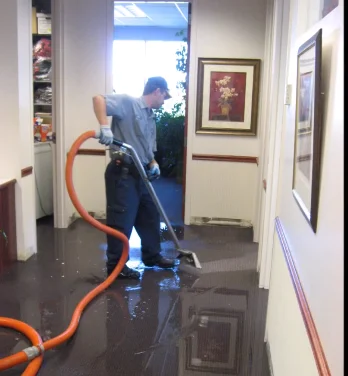
water damage orlando emergency water extraction flooded floor

24/7 Emergency Water Extraction

Industrial truck-mounted and portable extractors remove standing water 10× faster than consumer equipment. Available every night, weekend, and holiday at no extra charge.

Emergency response →
water mitigation orlando structural drying air movers dehumidifiers

Structural Drying to IICRC Dry Standard

Air movers and industrial dehumidifiers per IICRC S500 protocol. Dried to calibrated meter readings — not to appearance. Daily logs for your insurance claim.

Drying services →
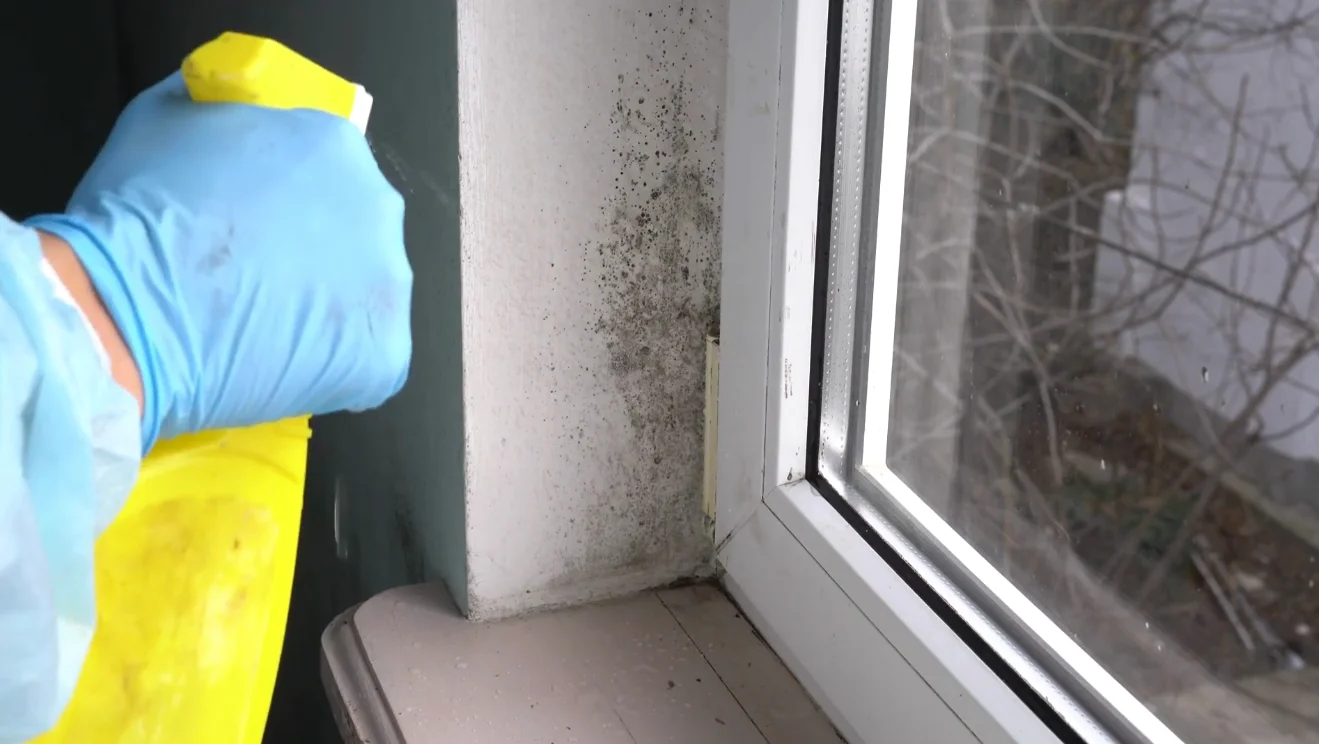
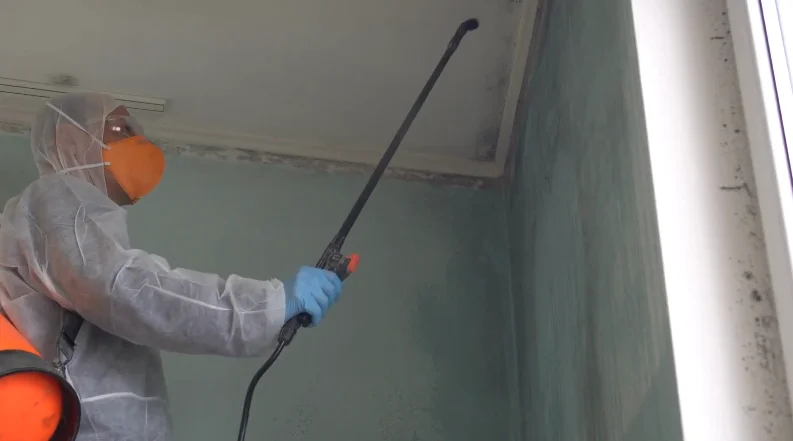
water damage restoration orlando mold remediation spray treatment licensed technician

Licensed Mold Remediation

Licensed under Florida Statute §468.8411. Full containment, HEPA filtration, EPA-registered antimicrobials, and post-remediation verification. Documented for your insurer.

Mold remediation →
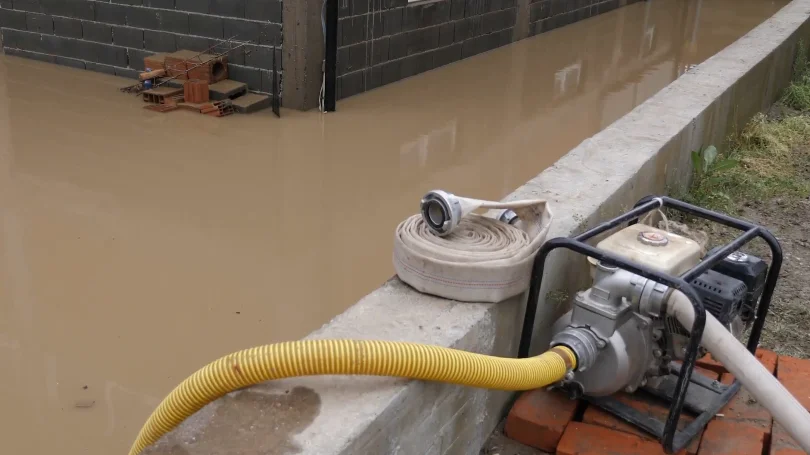
water damage restoration in orlando flood damage professional extraction service

Flood & Storm Damage Restoration

Rapid response after Central Florida storms. We've served Orlando through Charley, Ian, and Milton. Local crews — not out-of-state storm chasers who vanish after payment.

Flood restoration →
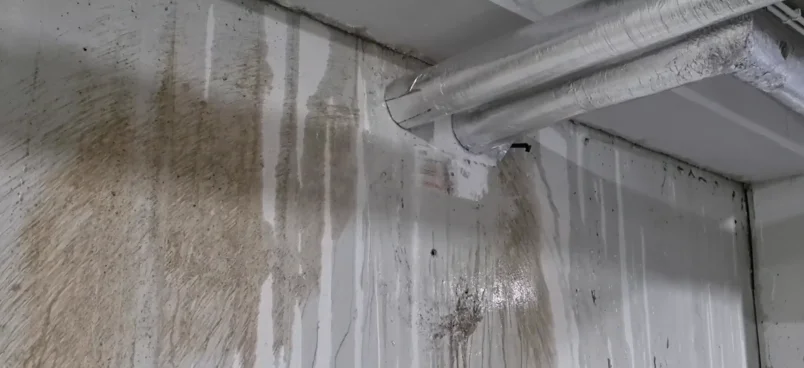
water damage restoration orlando wall leakage from AC condensate overflow

AC Condensate Damage

Florida's most underreported water damage type. Blocked condensate lines silently flood ceiling cavities. Thermal imaging finds the hidden moisture before mold establishes.

AC water damage →
water damage restoration orlando pipe leak burst causing structural damage

Sewage Backup & Pipe Leak Cleanup

Category 3 black water requires full biohazard protocol. All porous materials in contact must be removed — no exceptions. Your family's health depends on it.

Sewage cleanup →
water extraction orlando slab leak floor water pooling restoration

Slab Leak Water Damage

Central Florida's karst limestone shifts and ruptures embedded pipes. We specialize in drying beneath slab foundations — a skill most companies simply don't have.

Slab leak damage →
water damage cleanup orlando commercial professional restoration equipment

Commercial Water Damage Restoration

Hotels, offices, medical facilities, restaurants. Business interruption costs money by the hour. We coordinate around your schedule to minimize operational downtime.

Commercial services →
water damage restoration orlando florida hurricane storm damage drying process

Hurricane Water Damage

We were here before the storm and we'll be here long after. Orlando-based crews with experience through Charley, Ian, and Milton. We don't disappear after you sign.

Hurricane response →
What Happens When You Call

The 7-Step DryGuard Restoration Process

Every step documented. You see every moisture reading. You know exactly what we're doing and why — before we do it.

1

Emergency Dispatch — Day or Night

Real person answers. We confirm your address, ask three quick questions, and dispatch the nearest crew. No voicemail. No forms while you're flooding.

⏱ Immediate — 24/7/365
2

Arrival, Safety Check & Source Containment

We confirm the water source is stopped and check for electrical hazards before entering any affected area. Water and live wiring are a lethal combination at 2 AM.

⏱ First 30 min on-site
3

Moisture Mapping With Thermal Imaging

Every wall, floor, ceiling, and cabinet checked with calibrated moisture meters and thermal imaging cameras. Water travels 8–10 feet inside wall cavities invisibly. We find all of it.

⏱ 30–60 min assessment
4

Written Scope Before Any Work Begins

Itemized written scope listing everything to be done and at what cost — before we touch a single baseboard. This is non-negotiable. No surprises, no pressure.

⏱ Same day, pre-work
water damage restoration in Orlando professional extraction and assessment process
5

Industrial Water Extraction

Truck-mounted and portable extractors remove standing water from floors, carpets, and crawlspaces. 10× the removal rate of any consumer shop-vac.

⏱ Hours 1–4
6

Structural Drying to Dry Standard

Air movers + dehumidifiers run 24/7 per IICRC S500. In Orlando's 74–77% humidity this equipment is not optional — it's what makes drying possible. Daily moisture readings logged.

⏱ 3–5 days continuous
7

Verification & Full Reconstruction

Drying verified by calibrated meter readings — not visual inspection. Then full reconstruction: drywall, flooring, paint, finish work. One company, start to finish.

⏱ 1–2 weeks total
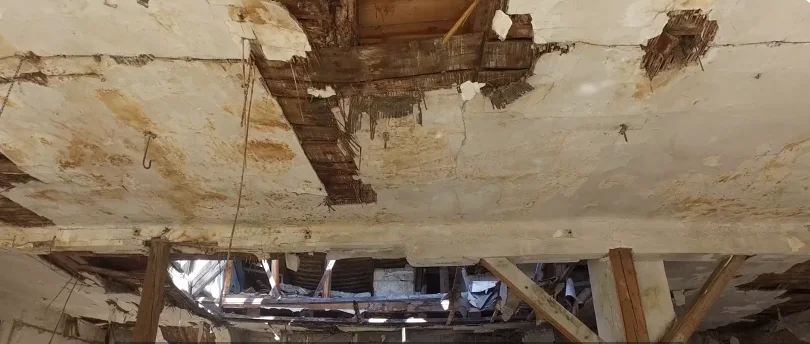
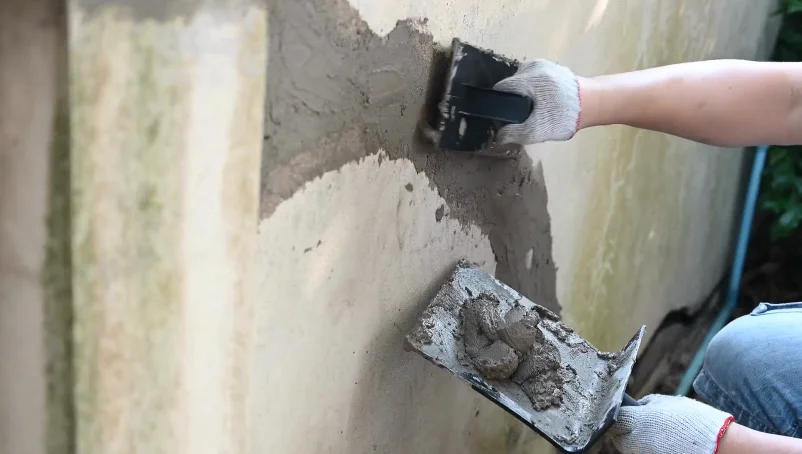
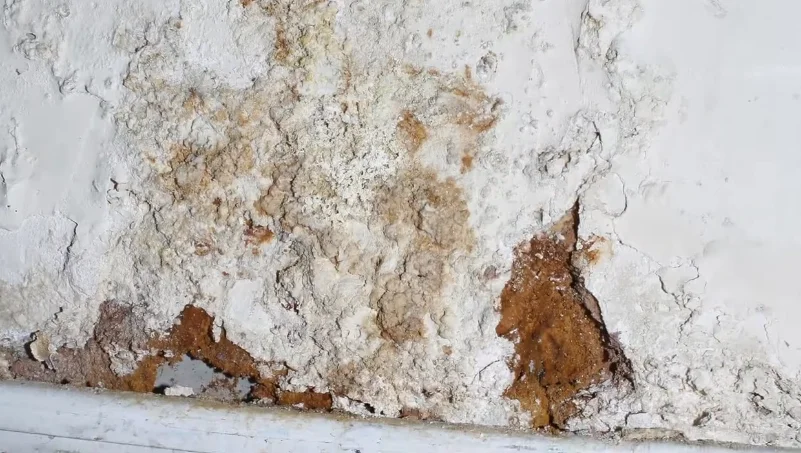
water damage restoration orlando fl wall destroyed requiring immediate professional restoration orlando water damage repair wall treatment professional restoration process water damage cleanup orlando wall cleaning restoration professional service
Real Results — Actual Orlando Jobs

Water Damage Repair Orlando — Before & After

These are actual restoration outcomes from Central Florida properties. No stock photos — real water damage, real repairs.

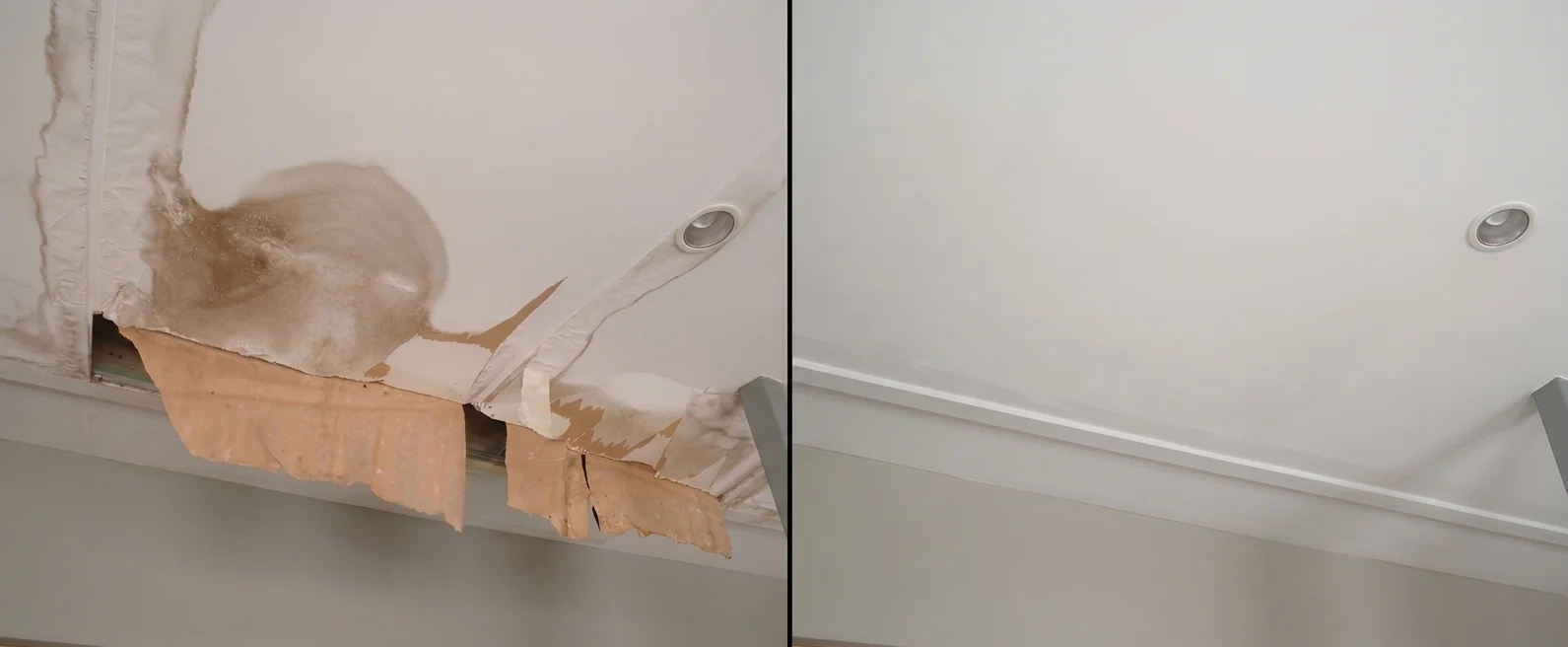
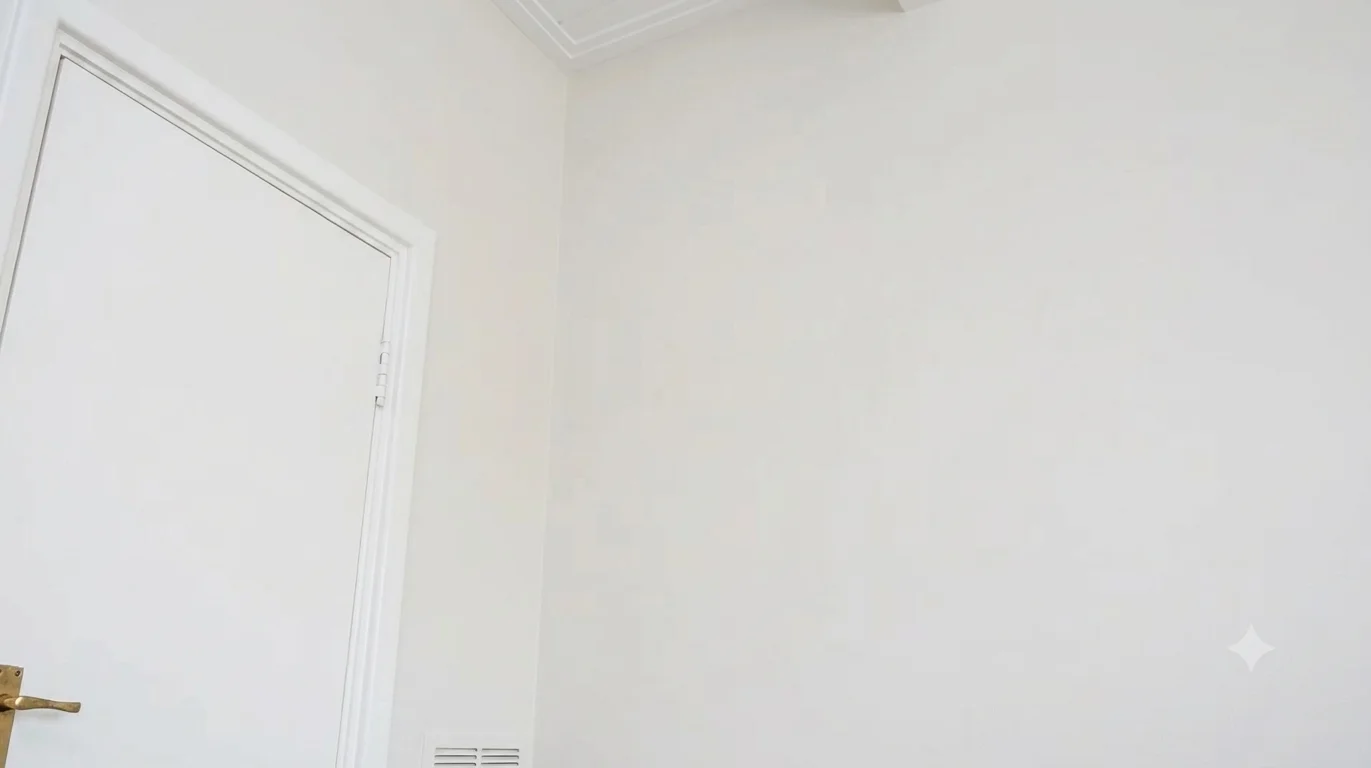
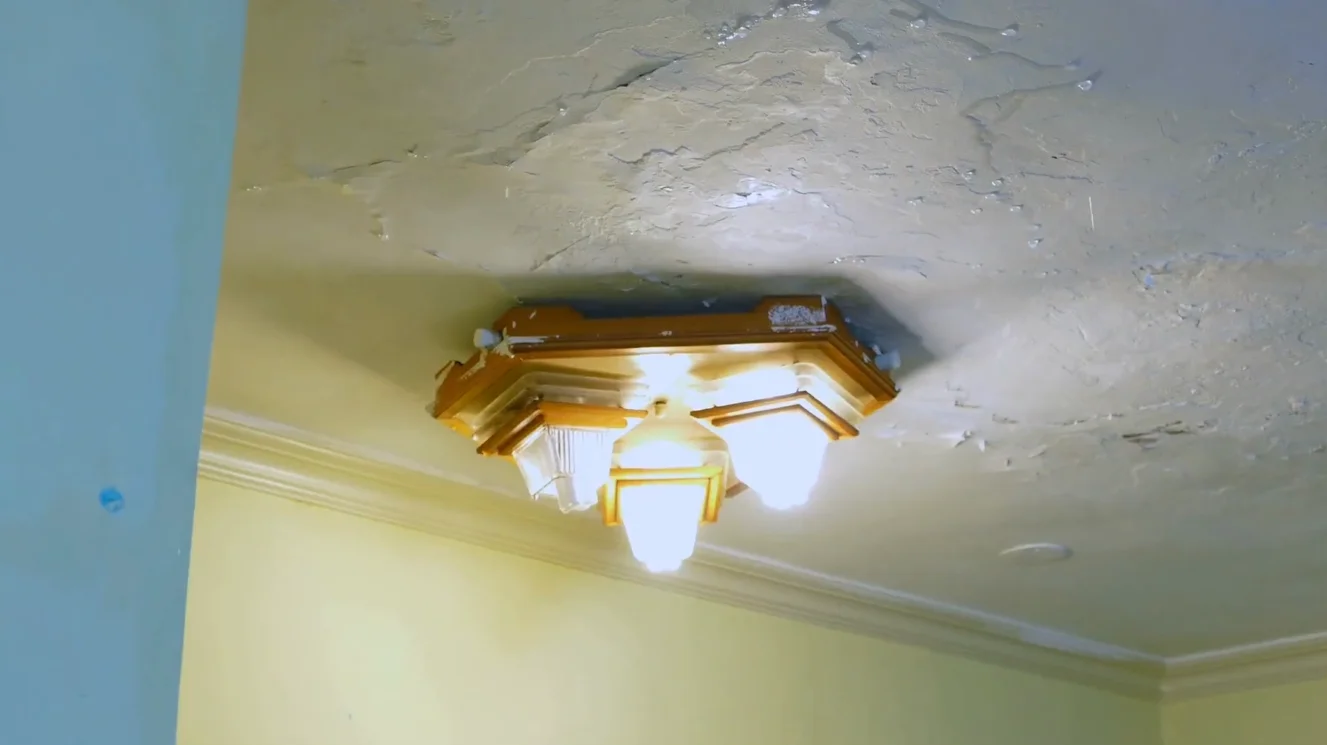
water damage repair orlando ceiling before and after complete restoration from water damage
BEFOREAFTER

Ceiling Water Damage — Orlando Home

AC condensate overflow saturated ceiling cavity. Full drywall replacement and mold remediation.

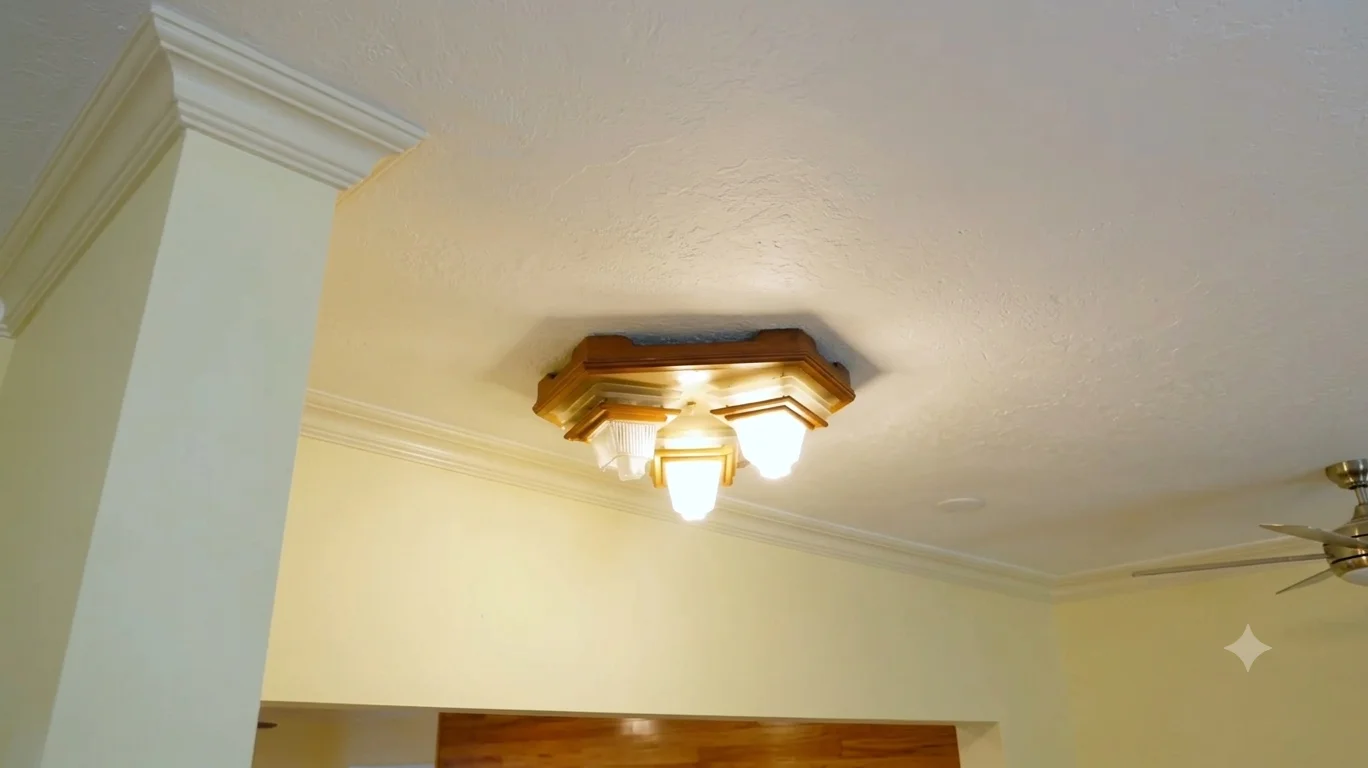
water damage restoration orlando fl ceiling water stain peeling paint before restoration orlando water damage restoration ceiling fully repaired and restored after professional service
BEFORE|AFTER

Burst Pipe Ceiling Damage — Winter Park

Burst pipe above ceiling caused full saturation. Dried to IICRC standard, zero mold.

water damage orlando severe ceiling water damage bubbling paint dripping before repair water restoration orlando ceiling restored clean professional repair completed
BEFORE|AFTER

Storm Flooding — College Park Bungalow

Storm intrusion through roof gap. Complete ceiling cavity drying and restoration.

water damage restoration orlando wall leakage damage moisture seeping through walls water damage orlando wall seepage moisture intrusion requiring professional remediation water restoration orlando soft wall moisture damage requiring immediate professional treatment water damage repair orlando wall moisture damage assessment and professional water restoration
Real Outcomes — Actual Orange County Properties

3 Real Water Damage Restorations in Orlando

Actual job outcomes. Names changed for privacy; neighborhoods, foundation types, water categories, insurance carriers, and outcomes are accurate.

Case Study #1 · College Park, Orlando

Burst Cast-Iron Pipe in 1951 Pier-and-Beam Home — Discovered at 2 AM

water damage restoration orlando burst pipe leak in historic College Park home
📍 College Park 🏠 Pier-and-beam 💧 Cat 1 → Cat 2 ~4 hrs active

A homeowner woke at 2 AM to water under the bedroom door. A cast-iron supply line original to the 1951 build had cracked, leaking for ~4 hours into the crawlspace and up through the subfloor. The crawlspace held 6 inches of standing water across 280 sq ft when our crew arrived.

The pier-and-beam foundation put the wooden subfloor joists in direct water contact — the most vulnerable structural element in this construction type. Moisture mapping found water had wicked 18 inches up the kitchen drywall and the original heart pine subfloor showed early swelling at seams. The homeowner feared losing the floor, which is irreplaceable in a 1951 College Park bungalow.

We deployed submersible crawlspace pumps, truck-mounted floor extraction, and 14 air movers + 6 dehumidifiers over two levels simultaneously. Targeted directed-heat drying over 4 days brought the heart pine subfloor from 34% to 11% moisture — fully within dry standard.

✓ Heart pine subfloor saved · ✓ State Farm claim approved · ✓ Total: $4,200 · ✓ Done in 11 days
Case Study #2 · Lake Nona, Orlando

AC Condensate Line Overflow — Hidden Ceiling Cavity Mold Found

water damage restoration orlando lake nona ac condensate ceiling wall damage
📍 Lake Nona 🏠 2016 slab build 💧 Cat 1 3+ days active

Homeowner noticed a soft spot in the second-floor hallway ceiling. Called a roofer first — no roof damage found. Two weeks passed. Soft spot became a stain. They called us. Thermal imaging revealed a 6-foot radius of elevated moisture inside the ceiling cavity originating from the attic HVAC air handler. A partial algae blockage in the condensate drain — extremely common in Central Florida's heat and continuous HVAC operation — had caused the drip pan to overflow.

Moisture readings reached 38% at the drywall surface (acceptable range: 12–17%). Inside the ceiling framing: 54% at the worst point. Surface cultures confirmed early Cladosporium and Penicillium colonization — both common in Central Florida attic environments. We performed licensed mold remediation through two controlled ceiling access openings under FL §468.8411.

The homeowner's Citizens Insurance policy covered the scope. Florida's standard $10,000 mold cap was sufficient — because we caught it early.

✓ Mold caught early · ✓ Citizens claim approved · ✓ Total: $8,700 · ✓ Done in 8 days
Case Study #3 · Winter Park, FL

Hurricane Ian Roof Breach — Claim Nearly Misclassified as Flood Damage

water damage restoration orlando florida hurricane ian storm damage drying process winter park home
📍 Winter Park 🏠 1963 slab home 💧 Cat 1 wind-driven Hurricane Ian 2022

Hurricane Ian created a wind-driven roof breach at the chimney flashing. Rainwater entered for ~6 hours before the storm passed — saturating the bedroom ceiling, soaking original hardwood floors below, and pooling in the closet. The insurer initially attempted to classify the loss as "flood damage," which would have denied the entire claim since the homeowner carried no NFIP flood policy.

This misclassification is extremely common after Florida hurricanes. Wind-driven rain through a storm-created roof opening is covered under standard homeowners insurance. Rising groundwater is flood damage. The entry point documentation is everything. We documented the roof breach, wind damage pattern, water entry angle, and complete migration path — evidence the Allstate adjuster used to correctly reclassify the loss as a covered wind-driven rain event.

The original hardwood floors showed 29% moisture against a dry standard of 9–12%. Heated drying chambers over 72 hours brought all sections to 11%. Floors were saved completely.

✓ Claim reclassified correctly · ✓ Hardwood floors saved · ✓ Insurance paid $14,200 · ✓ Done in 9 days
4.9★ · 147 Google Reviews

What Orlando Homeowners Say After the Water Is Gone

Real reviews. We prioritize featuring reviews that mention specific Orlando neighborhoods — that's the accountability standard we hold ourselves to.

★★★★★

"Our College Park bungalow flooded at 11 PM — washing machine supply line failed while we slept. DryGuard was at our door within the hour. The technician walked me through every moisture reading on his meter and showed me on the thermal camera exactly where water had traveled inside the walls. He gave us a written estimate before moving anything, then ran the deductible math with us honestly and told us we might be better paying out of pocket given our situation. That kind of honesty is rare. We won't call anyone else."

Maria T.
College Park, Orlando · Washing machine overflow · June 2025
★★★★★

"After Hurricane Ian, our insurer told us the claim might be denied as 'flood damage.' DryGuard came out immediately, documented the roof breach and how water entered, and gave our adjuster cause-and-origin documentation that reclassified the loss correctly. Without that paperwork we would have gotten nothing. The hardwood floors we'd given up on are still there. I tell every homeowner in Winter Park about this company."

James R.
Winter Park, FL · Hurricane Ian roof breach · October 2022
★★★★★

"Ceiling bubble in my Lake Nona home — the first company I called said 'just watch it.' DryGuard showed up with thermal imaging and found moisture in a six-foot area I couldn't see at all. It was the AC condensate line. Mold had already started inside the ceiling. They caught it early — if I'd waited another week I'd have been facing a much bigger job. Fast, professional, and they explained everything."

Sarah K.
Lake Nona, Orlando · AC condensate overflow · March 2025
Read All 147 Reviews →
All of Orange County Covered

Your Orlando Neighborhood — We Know It

College Park's 1940s pier-and-beam crawlspaces behave differently than Lake Nona's 2015 slab-on-grade homes. Windermere's lakefront properties carry flood zone risks that Baldwin Park doesn't face. We come prepared for the specific construction and risk profile of your neighborhood.

All Service Areas + ZIP Codes →
Florida Insurance Law — Know This Before You Need It

Your Rights Under Florida Water Damage Law

Most Orlando homeowners don't know these statutes exist until they're fighting a denied claim. We publish them because an informed homeowner makes better decisions.

§627.70131 Your insurer must acknowledge your claim within 14 days and pay or deny within 60 days of receiving proof of loss. Late payments accrue interest from the original notice date — not from when they finally paid. Most homeowners don't know this and don't collect.
§627.70132 You have 1 year to file a new or reopened claim. Supplemental claims (additional damage discovered later from the same event) must be filed within 18 months. Miss either deadline and you lose all recovery rights permanently.
§627.714 Florida law allows insurers to cap mold coverage at as low as $10,000. Most Orlando homeowners discover this only after receiving a $30,000 remediation estimate. Check your declarations page now — before a loss.
§627.4133 Your insurer cannot cancel or non-renew your policy solely because you filed one water damage claim. The cancellation fear drives many homeowners to absorb legitimate losses out of pocket unnecessarily.
§468.8411 Florida requires separate state licenses for mold assessment (RS) and mold remediation (RC). Unlicensed mold work is illegal. Verify any contractor at MyFloridaLicense.com before signing. Our license: #MRSR3847.
Full Florida Insurance Guide →
water damage restoration orlando professional insurance inspection documentation assessment
How It Works

How does water damage restoration work?

A 7-phase documented process — from emergency dispatch through IICRC-verified dry standard. In Orlando, every phase is shaped by the city's 74–77% subtropical humidity.

Water damage restoration in Orlando is a structured, documented process that returns a property to its pre-loss condition after water intrusion. It begins with extracting standing water, continues through structural drying verified by calibrated instruments, and ends only when all structural materials have reached IICRC-defined dry standard moisture content levels — confirmed by meters, not by visual inspection.

The process starts the moment our team arrives: a complete moisture map of the affected area using calibrated moisture meters and thermal imaging cameras identifies all water migration paths — including water hidden inside wall cavities, subfloor systems, and ceiling assemblies. Water that has traveled 8 to 10 feet from the visible wet area through building materials is completely normal and completely invisible to the naked eye.

Once the moisture map is complete and a written scope is provided and approved, industrial water extraction begins — truck-mounted and portable extractors capable of pulling moisture from carpet backing, subfloor systems, and crawlspaces, not just surface water you can see.

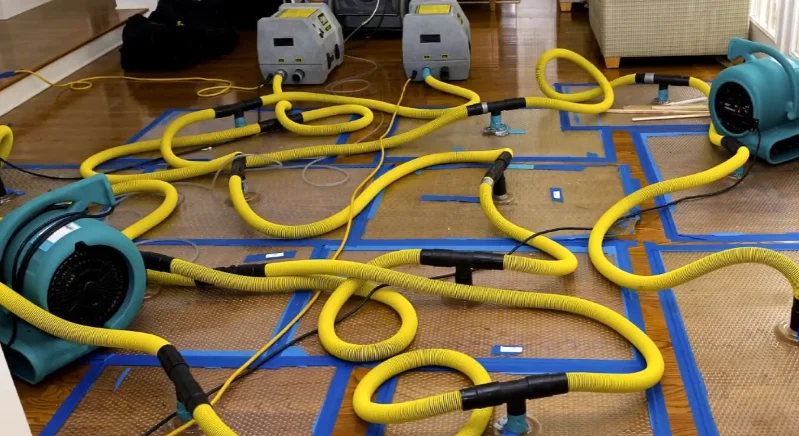
Structural drying follows extraction and is the most time-intensive phase. High-velocity air movers create surface evaporation while industrial dehumidifiers remove moisture from the air column. In Orlando's 74–77% ambient humidity, these run continuously — 24 hours a day — because natural evaporation into humid outdoor air cannot achieve dry standard within any reasonable timeframe. This is the fundamental difference between Orlando restoration and restoration in a dry climate.

Technicians return daily to record moisture readings at every documented measurement point. These readings serve two purposes simultaneously: they show objective drying progress, and they constitute the insurance documentation your adjuster requires. When all structural materials return to pre-loss moisture content — verified by calibrated meters — equipment is removed and reconstruction begins. Total process in Orlando: 3–5 days drying, 1–2 weeks for full reconstruction.

Cost & Pricing

How much does water damage restoration cost in Orlando?

$860–$1,500 minor · $2,000–$5,000 mid-range · $5,000–$20,000+ major. Per sq ft: Cat 1 = $3–$4, Cat 2 = $4–$7, Cat 3 = $7–$7.50. First-hour response reduces total cost 30–50%.

Water damage restoration in Orlando costs between $860 and $20,000+ depending on the water category, how long water has been present, affected square footage, your home's construction type, and whether mold is already colonizing your wall cavities.

The single most important cost factor is speed. Acting within the first hour of discovery reduces total restoration costs by 30–50% compared to waiting 24–48 hours. This is physics, not sales pressure. Water travels through building materials at a predictable rate — the longer it travels, the more material must be dried or replaced. In Orlando's 24-hour mold window, this cost escalation happens faster than anywhere else in the continental United States.

The Three Factors That Raise Cost in Central Florida Specifically

Foundation type: Pier-and-beam homes in College Park, Thornton Park, and other pre-1960 neighborhoods add $800–$2,200 to baseline cost for crawlspace access and specialized extraction equipment. Most restoration companies don't carry this equipment because they don't serve these neighborhoods consistently.

Humidity extension: Orlando's 74–77% humidity extends drying time 15–25% compared to national baseline assumptions (typically based on 50–60% ambient humidity). More equipment-days running at continuous duty means proportionally higher cost than the same-scope job in a dry climate. This is unavoidable and real.

Hurricane season surge: Within 1–2 weeks following a major storm event, every restoration company in Central Florida is simultaneously dispatching crews. Equipment and crew availability both tighten. Market rates rise 20–40%. Calling immediately — not waiting — is the most effective way to avoid surge pricing after a named storm.

→ See the full 2026 Orlando cost breakdown with itemized scenarios
Mold Risk

How long does mold set in after water damage in Orlando?

In Orlando's 74–77% humidity, mold begins colonizing wet structural materials within 24 hours — faster than the 48–72 hour window in drier climates.

In Orlando, mold begins colonizing wet drywall, wood framing, and insulation within 24 hours of water exposure. This is the typical timeline given Central Florida's subtropical climate — not a worst-case estimate.

The reason comes down to two numbers: 60% and 74–77%. Mold spores — which are present in every home and in Central Florida's outdoor air year-round — need relative humidity above 60% to germinate and grow. Orlando's average year-round relative humidity runs between 74% and 77%. That means every wet surface in your home is already in an environment that exceeds the mold growth threshold by 14–17 percentage points. There is no safe month in Orlando.

Hour by Hour After Water Intrusion in Orlando

Hours 0–12: Water absorbs into drywall paper facing, wood framing, and insulation batts. Water migrates horizontally and vertically through porous materials via capillary action. No mold yet, but the conditions are perfect.

Hours 12–24: In standard gypsum drywall at Orlando ambient humidity levels, mold spores present in the environment begin germinating on wet organic material. This is the beginning of biological colonization — invisible but underway.

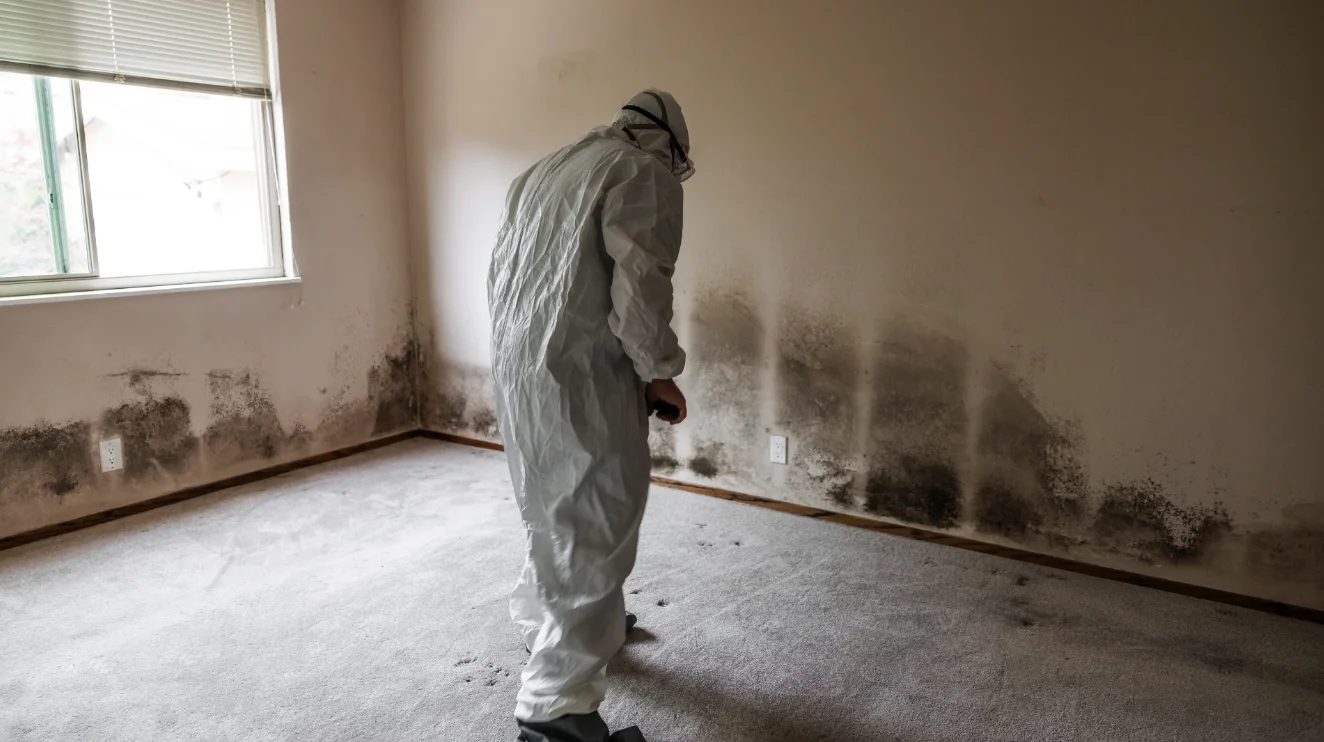
Hours 24–72: Early visible mold growth appears as faint discoloration on wet drywall surfaces. If your HVAC is running, mold spores can be distributed through ductwork into other rooms during this window — which is why we specifically advise against running your HVAC after water damage.

The practical implication: If you discover water damage this morning and call us immediately, we can likely prevent mold from establishing in your walls. If you call us tomorrow morning "after seeing how bad it is," mold colonization has already begun. The 24-hour window is real, and in Orlando it is shorter than anywhere else you've likely lived.
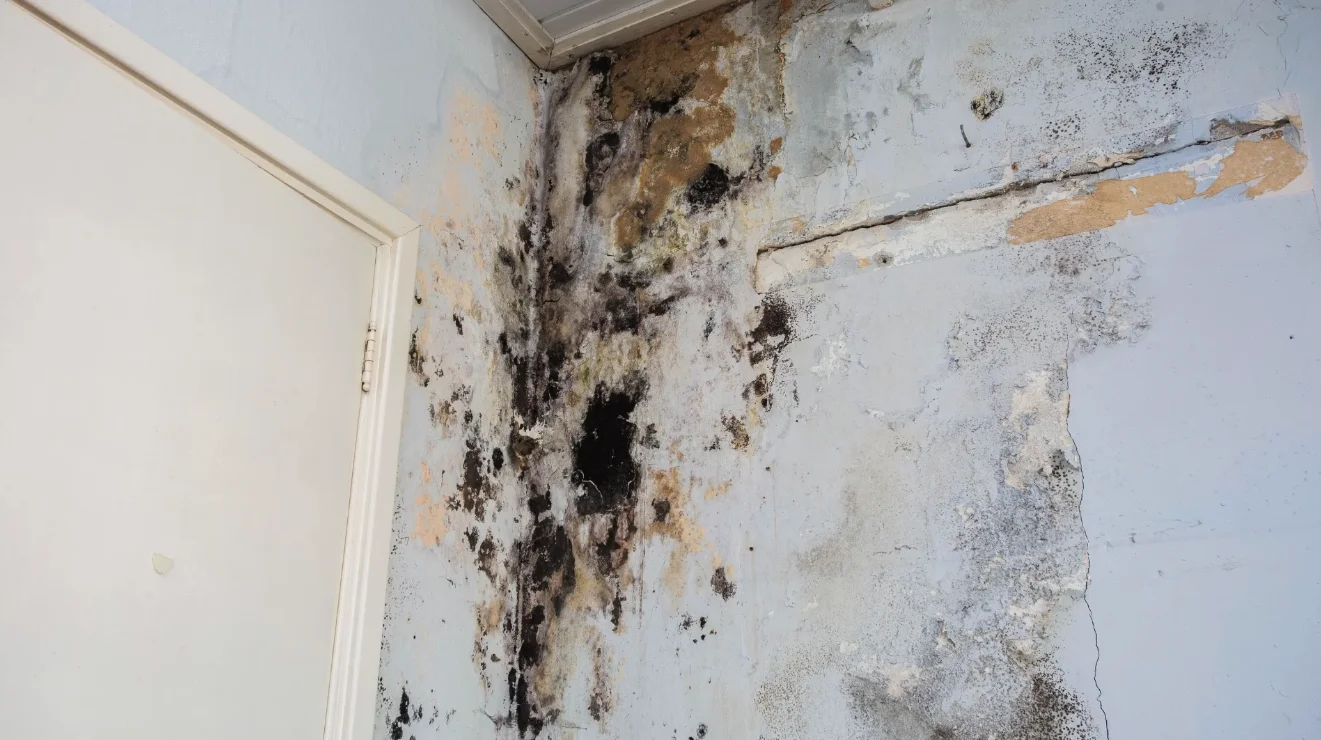
water damage orlando wall seepage moisture conditions showing environment where mold grows within 24 hours
Florida Law

What is the 33-day rule in Florida water damage?

There is no officially named "33-day rule." The actual law is Florida Statute §627.70131: 14 days to acknowledge, 60 days to pay or deny. Late payments accrue interest from the notice date.

There is no Florida law officially named the "33-day rule." When homeowners search for this term, they are typically asking about one of two different things — and confusing them can cost thousands of dollars.

The Actual Law: Florida Statute §627.70131

The statute most homeowners are asking about is Florida Statute §627.70131, which governs property insurance claim response timelines. Under this statute, your insurer must acknowledge your claim within 14 days and must pay or deny your claim within 60 days of receiving your proof of loss. Any payment made after the 60-day window accrues interest from the original date of your claim notice — not from the date they eventually paid.

Florida Statute §627.70131 — Insurer Response Timeline If you filed a claim on January 1st and your insurer paid on March 15th (74 days after notice), you are entitled to interest on the claim amount for all 74 days. Most homeowners don't know this provision exists. Don't leave that money on the table.

The Second Interpretation: Vacancy Clauses

Some homeowners arrive at "the 33-day rule" because their policy contains a vacancy clause — a provision requiring the homeowner to shut off water service or maintain heat if the property will be vacant for 30, 45, or 60 consecutive days. If a pipe bursts in an unoccupied Orlando vacation home or snowbird property and the homeowner did not comply with their policy's vacancy clause, the insurer may deny the claim entirely.

This is specifically relevant for Orlando's large population of seasonal residents and short-term rental operators. If your property will sit unoccupied for extended periods, review your vacancy clause language before departure — not after a water event.

Take action now: Pull your homeowners insurance declarations page. Find the vacancy clause (typically in the Exclusions section) and your notice deadlines. Know your policy before you need it. If you've experienced water damage and have questions about your claim timeline, call us — we've helped hundreds of Orlando homeowners navigate this process.
Insurance

Who pays for water damage restoration in Florida?

Homeowners insurance pays for sudden, accidental events. Flood requires separate NFIP coverage. Mold is capped at $10,000. Gradual leaks are excluded. One claim cannot cancel your policy.

In most Orlando water damage scenarios, your homeowners insurance pays for restoration — but only under specific conditions. Understanding those conditions before a water event costs nothing. Understanding them after costs everything.

What Pays

A standard HO-3 homeowners policy in Florida covers water damage that is sudden and accidental originating from an internal source: burst pipes, appliance supply line failures (washing machine, dishwasher, refrigerator ice maker), water heater ruptures, toilet overflows, and in most policies, wind-driven rain that enters through a storm-created opening in your roof.

What Does NOT Pay

Rising floodwater from storms, storm surge, overflowing waterways, or ground surface accumulation is excluded from every standard homeowners policy. Florida holds more NFIP flood policies than any other state — yet after every major hurricane, thousands of Central Florida homeowners discover they weren't covered because they misunderstood the water vs. flood distinction.

Gradual leaks — a slow drip behind a wall that caused damage over weeks or months — are excluded as maintenance-preventable damage. The "sudden vs. gradual" classification is the single most litigated issue in Florida property insurance and the #1 reason water damage claims are denied.

Florida Statute §627.4133 — Cancellation Protection Florida law prohibits your insurer from canceling or non-renewing your policy solely because you filed one water damage claim. The widespread fear of cancellation drives many Orlando homeowners to absorb legitimate insured losses out of pocket unnecessarily. One properly filed claim will not cancel your policy.
→ Should you file a claim? Our honest decision guide for Orlando homeowners
FEMA Rules

What is the 51% rule in Florida for water and flood damage?

FEMA's 50% Substantial Damage Rule: if your home is in a flood zone and repair costs exceed 50% of market value, the entire structure must comply with current flood regulations — potentially requiring foundation elevation.

Florida's "51% rule" refers to FEMA's 50% Substantial Damage Rule — a federal regulation that catches thousands of Central Florida homeowners completely off-guard after hurricane events.

If your home is in a FEMA-designated Special Flood Hazard Area (SFHA) and repair costs exceed 50% of the home's pre-damage market value, you must bring the entire structure into full compliance with current flood zone construction regulations before any reconstruction can proceed. In most cases this means physically elevating your home's lowest livable floor above the Base Flood Elevation — a compliance cost of $50,000 to $150,000+ on top of basic repair costs.

Does This Apply to Your Orlando Property?

The rule applies only to properties in FEMA-designated SFHAs — typically Zone AE, Zone AH, Zone VE, or similar high-risk designations. Approximately 22% of Orlando buildings face significant flood risk. Properties near Lake Eola, Lake Ivanhoe, the Conway Chain of Lakes, and low-lying areas in Kissimmee and western Orange County are among the most commonly affected. You can check your zone at the FEMA Flood Map Service Center (msc.fema.gov).

The 50% threshold determination is made by your local building official — Orange County Building Division for unincorporated areas — not by FEMA directly. If you receive a "substantial damage determination letter" after a flood event, consult a licensed contractor and a property attorney before proceeding with any work.

Proactive step: Know your flood zone designation, your Base Flood Elevation, and your home's current first-floor elevation before any loss occurs. This information is available from the Orange County flood zone administrator and takes less than a day to obtain. Knowing these numbers turns a potential $150,000 surprise into a manageable known risk.
Honest Answer

Is water damage repairable? Can my Orlando home be fully restored?

Yes — virtually all water damage in Orlando is fully repairable when addressed within the 24-hour window. Even Category 3 contamination and significant mold growth are restorable.

The honest, direct answer: yes — virtually all water damage in Orlando is fully repairable. The fear that your home is permanently ruined is one of the most common and most unnecessary anxieties homeowners experience in the first hours after a flooding event. In the vast majority of cases, the home is completely restorable. The meaningful variables are cost and timeline — not whether restoration is possible.

Even significant events are repairable: Category 3 sewage backups, major hurricane flooding that ran for hours before discovery, burst pipes that went undetected for days. Category 3 contamination requires demolition of all porous materials in direct contact with contaminated water, followed by antimicrobial treatment of all structural surfaces, post-remediation verification, and complete reconstruction. It is a larger scope and substantially higher cost — but it produces the same outcome: a safe, habitable, pre-loss-condition home.

What Actually Determines Whether Materials Can Be Saved

The IICRC S500 standard provides objective guidance on salvageability. Clean water events caught within 24 hours allow drying of most structural assemblies in place. Gray or black water contamination requires removal of porous materials in contact — because decontamination of porous materials to safe levels generally isn't achievable through drying and treatment alone.

Hardwood floors — the most common Orlando homeowner concern — can almost always be saved when caught within 24 hours and subjected to immediate directed-heat drying. After 48–72 hours in wet conditions, irreversible cupping and buckling typically make replacement necessary. The 24-hour window matters most for your floors.

The scenarios approaching genuinely irreparable territory are almost always cases where damage went untreated for weeks or months — foundation compromise from prolonged saturation, extensive load-bearing wood rot, or mold colonization so widespread that remediation scope approaches the structural value of the building. These are not outcomes of events that receive professional attention within days of discovery.

water damage repair orlando broken wall before professional restoration service water damage restoration orlando professional leakage remediation and wall repair
Timeline

How long does water damage restoration take in Orlando?

Drying: 3–5 days continuous professional equipment. Full restoration with reconstruction: 1–2 weeks. Orlando's humidity extends drying 15–25% vs. drier climates.

Water damage restoration in Orlando takes 3–5 days for the professional drying phase and 1–2 weeks total including reconstruction. These timelines assume professional-grade equipment running continuously. DIY attempts in Orlando's humidity almost always fail to reach dry standard — which means hidden moisture is trapped and mold follows within weeks.

The drying timeline is determined by physics, not by scheduling preferences. Structural materials must reach pre-loss moisture content levels before reconstruction begins. Starting drywall repairs or flooring installation over materials that haven't fully dried traps moisture in the completed assembly, creates perfect mold growth conditions behind new finished surfaces, and voids warranties on new materials. We've seen homeowners who "saved money" by starting reconstruction early return with a full mold remediation job 60–90 days later.

Why Orlando Takes Longer Than the National Average

National restoration guidelines cite drying timelines based on 50–60% ambient humidity — typical conditions in much of the Midwest and drier Southeast regions. Orlando's year-round 74–77% humidity means the moisture differential between wet structural materials and the surrounding air is much smaller, so natural evaporation is dramatically slower. Industrial dehumidifiers compensate by actively removing moisture from the air column while air movers drive surface evaporation. This equipment must run continuously — not just during business hours, not with "breaks to air it out."

Common mistakes that extend Orlando timelines: turning equipment off at night, opening windows (humid outdoor air immediately replaces dehumidified indoor air), placing fans near HVAC returns (bypassing dehumidification). We've seen homeowners extend restoration timelines by 3–4 additional days through well-intentioned but counterproductive ventilation choices.

Common Questions

More Questions Answered Honestly

Including the questions other restoration companies avoid answering.

Do I need a professional, or can I dry my Orlando home with fans?+

For a surface spill on a non-porous floor caught within 30 minutes with no wall involvement and no insurance claim — consumer drying may be adequate. For anything beyond that in Orlando, professional restoration is genuinely necessary. First, Orlando's 74–77% humidity makes consumer-grade drying almost always insufficient — materials that appear dry still hold moisture levels that sustain mold. Second, insurance adjusters require calibrated moisture meter documentation, not photos of a running fan. "I dried it with a box fan" will not satisfy an adjuster's documentation requirement.

Should I call insurance first or the restoration company first?+

Call the restoration company first — immediately. Mitigation must begin within 24 hours to prevent mold and to comply with your policy's duty-to-mitigate requirement. Call your insurer within 24 hours of discovery, after the water source is stopped and professional drying has begun. Important: do not give a recorded statement to your adjuster until you understand how specific word choices about the event (e.g., "it's been dripping for a while") may trigger gradual damage exclusion language. Our first-hour documentation is structured to support your claim narrative correctly.

What should I NOT do in the first hour after water damage?+

Five things to avoid: (1) Don't run your HVAC — it distributes mold spores from wet areas through your ductwork into unaffected rooms. Switch to fan-only or off. (2) Don't discard damaged materials before your adjuster documents them — insurance often requires physical inspection. (3) Don't begin demolition or repairs before comprehensive photo and video documentation. (4) Don't sign any contract with Assignment of Benefits language — Florida largely eliminated AOB for residential property claims after January 1, 2023, and any contractor offering it raises a red flag. (5) Don't wait more than 24 hours to begin professional mitigation — Orlando's mold window starts counting from the moment water entered your home.

Will my insurance rates go up if I file a water damage claim in Florida?+

Possibly — but Florida Statute §627.4133 prohibits cancellation or non-renewal solely for one water damage claim. Rate increases after a single claim are possible but not automatic, and many policies include first-claim forgiveness provisions. The real risks: filing a claim below your deductible (you collect nothing but create a claim record), filing for damage that may be classified as gradual and denied (creating a record with no recovery), or forgoing a legitimate large claim to avoid a theoretical rate increase that may never materialize. We walk through the actual math with you — deductible, estimated payout, realistic rate implications — before you decide whether to file.

How do I verify a restoration company is properly licensed in Florida?+

Florida requires separate licenses for mold assessment (RS) and mold remediation (RC) under §468.8411, verifiable at MyFloridaLicense.com. For IICRC certification, verify at iicrc.org by technician certificate number. Always ask for both the Florida mold license number and IICRC certificate number before signing any contract. Our FL Mold Remediator license is #MRSR3847 — verify it at MyFloridaLicense.com right now. Storm chasers from out of state frequently lack Florida mold licensing. If mold remediation is in scope, verify before signing anything.

What is "dry standard" and how do I know my home is actually dry?+

"Dry standard" is the IICRC-defined moisture content level all structural materials must reach before restoration is complete. It is not a visual judgment — it is a specific calibrated moisture reading that varies by material type and is benchmarked against similar unaffected materials in your home. A wall that looks and feels completely dry can still read 30–35% moisture content inside the framing — enough to sustain continuous mold growth. The only verifiable answer to "is my home actually dry?" is a set of calibrated meter readings at every documented measurement point, all at or below pre-loss baseline levels. We provide those readings in writing before removing any equipment from your property.

Why is AC condensate overflow so common in Orlando?+

AC condensate overflow is Florida's most underreported water damage type for a simple reason: Orlando's AC systems run almost continuously for 8–9 months per year. Continuous operation means continuous condensate production. Central Florida's outdoor air also contains elevated levels of algae and biological material that accumulate inside condensate drain lines, partially or fully blocking them over time. When the drain line blocks, the condensate drip pan overflows — typically into the ceiling cavity below the air handler, silently, invisibly, for days before any visible staining appears. By the time you see a soft spot in the ceiling, mold has usually already begun. Cost to restore: $1,500–$4,000 depending on moisture migration extent and mold presence. Most standard homeowners policies cover this event.

Do you work with insurance companies, and how does billing work?+

Yes — we coordinate directly with adjusters from Citizens, State Farm, Allstate, USAA, Universal Property, Heritage, Tower Hill, Security First, and all other FL carriers. We provide the complete documentation package: pre-work photos, moisture mapping data, daily drying logs with timestamped readings, material removal scope, Xactimate-formatted estimates where required, and cause-and-origin documentation. We do not take ownership of your claim rights (no Assignment of Benefits) — all insurance payments flow directly to you. Our documentation is built to maximize legitimate claim recovery; your relationship with your insurer remains entirely yours.

Water Damage Scenarios We Restore Daily Across Orlando

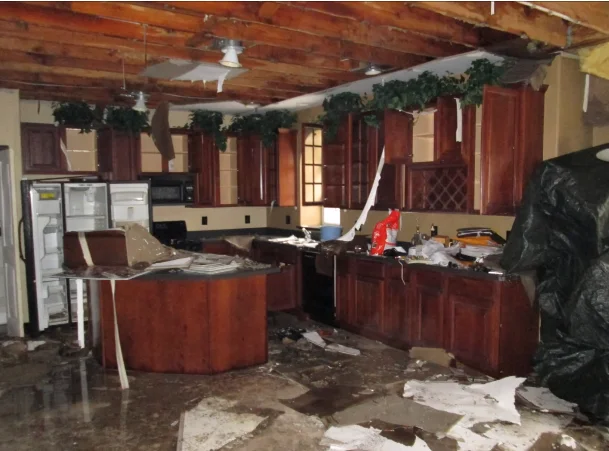
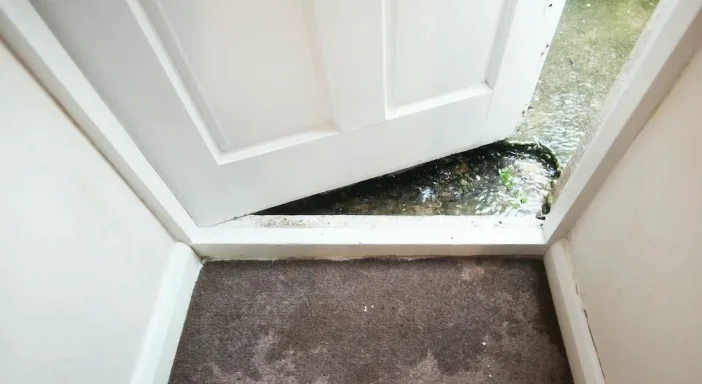
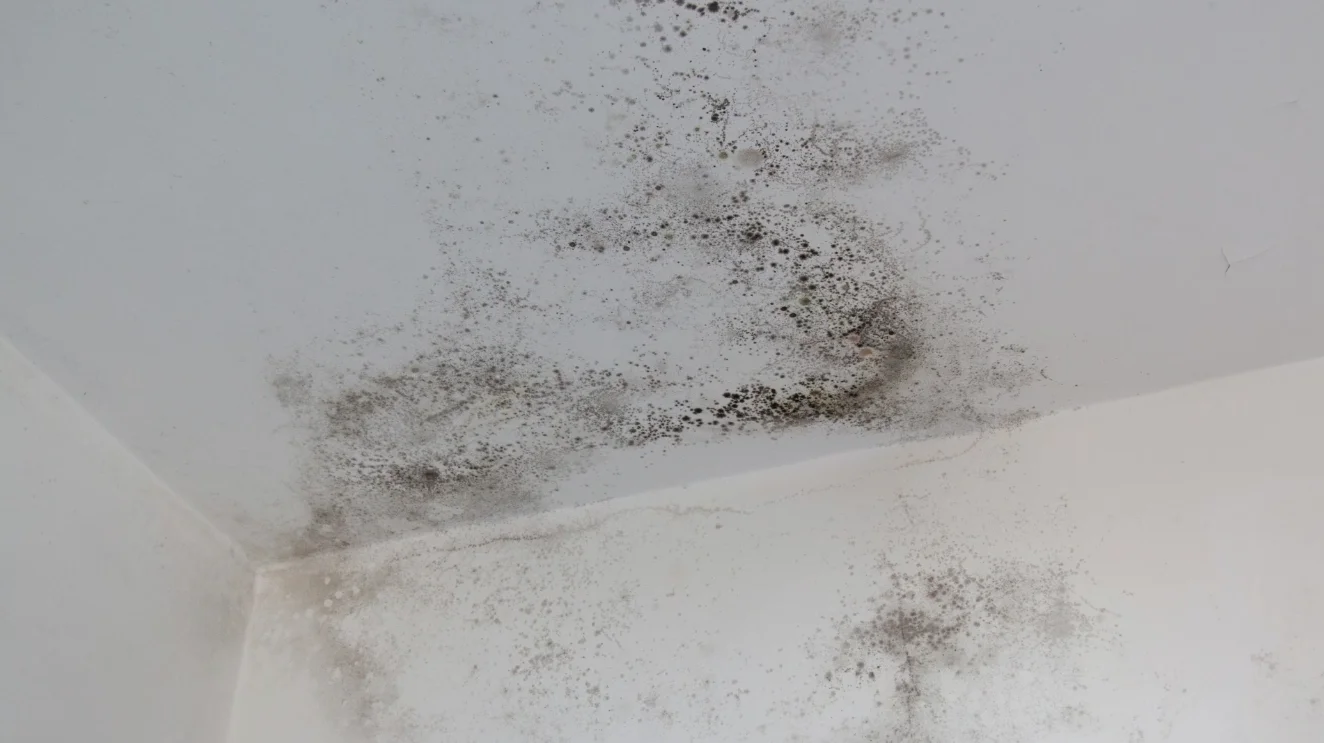
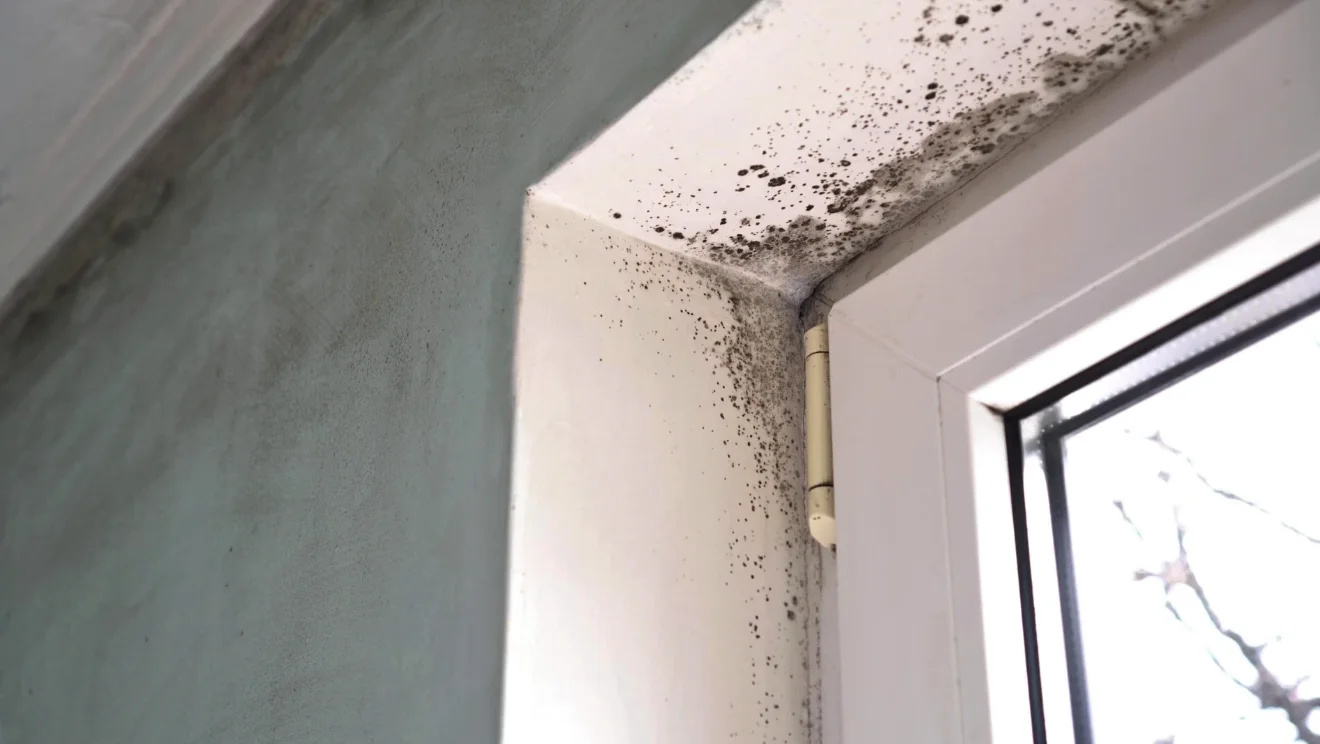
water damage orlando kitchen flooding requiring emergency water extraction and cleanup orlando fl water damage door frame moisture damage requiring professional restoration water damage restoration orlando leakage pipe wall damage requiring immediate service orlando water damage wall stain moisture damage showing need for water restoration service water damage restoration orlando window frame staining moisture intrusion professional repair water damage orlando fl ceiling and wall stains requiring professional water damage repair
E-E-A-T — Experience, Expertise, Authority, Trust

About DryGuard Restoration

DryGuard Restoration is an Orlando-based water damage restoration company serving Orange County and surrounding areas. Our lead technicians hold IICRC Water Damage Restoration Technician (WRT) certifications verified at iicrc.org. Our mold remediation work is performed under Florida Mold Remediator License #MRSR3847, verifiable at MyFloridaLicense.com.

We have responded to water damage events across Central Florida through multiple hurricane seasons — Hurricane Charley aftermath (2004), Hurricane Ian's Central Florida passage (2022), and Hurricane Milton (2024). Our understanding of Orlando's specific construction stock — pier-and-beam College Park bungalows, slab-on-grade Lake Nona new builds, lakefront Windermere structures — is accumulated local experience, not general restoration knowledge imported from another market.

This page has been reviewed for technical accuracy against IICRC S500 Standard for Professional Water Damage Restoration (current edition), Florida Statutes Chapter 627 (Property Insurance), FEMA National Flood Insurance Program guidance, and Orange County Building Division flood zone administration standards. All pricing reflects current 2026 Central Florida market rates.

Meet Our Team & Credentials →
water damage restoration orlando professional certified technician assessment service
🏅
IICRC S500 Certified
Water Damage Restoration
📋
FL License #MRSR3847
Mold Remediator §468.8411
4.9★ · 147 Reviews
Verified Google Reviews
🌀
3 Hurricane Seasons
Charley · Ian · Milton

Water on Your Floor?
We're Available Right Now.

Orlando's 24-hour mold window is already running. IICRC-certified crews dispatch across Orange County 24 hours a day, 365 days a year — including tonight.

📞 (407) 250-7641 — Call Now See Pricing First →
Written estimate before any work begins
No extra charge for nights or weekends
Insurance documentation from hour one
Licensed mold remediator on every job
📞 (407) 250-7641 — Tap to Call 24/7